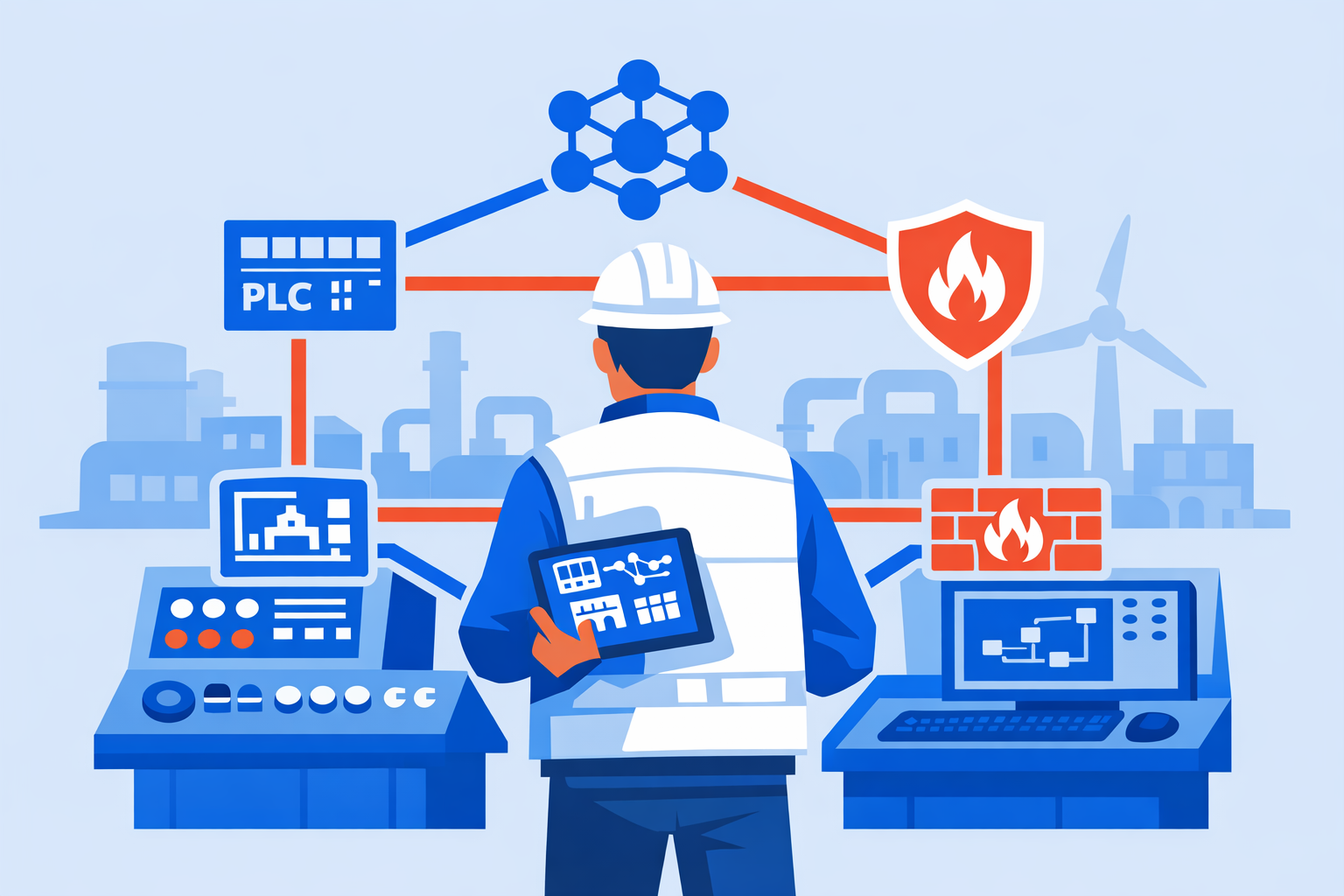
Europe's operational technology (OT) and industrial control systems (ICS) sector is poised for substantial growth as governments and industries advance AI-driven manufacturing execution system (MES) platforms, according to analysts. Modernization incentives, investment in cloud and AI infrastructure, and expanding data sovereignty initiatives across the EU are driving this trend.
Background
EU policymakers have introduced legislation targeting digital and cloud infrastructure, including the 2025 Cloud and AI Development Act. This measure aims to triple EU data center capacity within five to seven years, supporting public-sector and business demand by 2035. The initiative backs sovereign, interoperable cloud environments essential for MES-based platforms. The commercial sovereign-cloud market is currently valued at approximately €20 billion annually and is projected to exceed €100 billion by 2031, bolstered by regulatory mandates and national programs. Concurrently, the EU's OT security market-including OT/ICS protection tools-stood at USD 5.79 billion in 2024, with forecasts indicating growth to USD 18.07 billion by 2033 at a compound annual growth rate (CAGR) of 13.5 percent.
Details
Analysts expect investment in MES-enabled AI platforms-integrating predictive maintenance, energy optimization, quality analytics, and real-time orchestration-to push the OT/ICS market toward multi-billion-dollar scale by 2036, with a projected CAGR above 10 percent. Although precise forecasts are unavailable, this trajectory aligns with the broader AI-in-IoT market: Europe's AI-IoT services segment is anticipated to reach USD 8.1 billion by 2035 from USD 2.3 billion in 2025, reflecting a CAGR of approximately 7 percent. Sovereign infrastructure projects, such as SAP's Industrial AI Cloud and Deutsche Telekom/T-Systems' sovereign AI backbone-featuring more than 10,000 GPUs-are laying digital and AI foundations suitable for MES-centric digitalization. EU policy tools, including the Digital Europe, Horizon Europe, and NextGenerationEU programs, have committed billions to AI and digital transformation initiatives, with €4.376 billion dedicated to AI-specific projects.
Initial industry pilots are underway in sectors such as automotive manufacturing, metals, and chemical processing, though specific company names and ROI figures have not been disclosed. Industry operators identify improved yield, reduced downtime, and energy savings as central ROI factors. Key challenges reported include integrating legacy OT assets, developing internal AI governance expertise, and securing hybrid cloud and on-premises environments without compromising safety.
Outlook
Efforts to standardize data governance, model risk management, and cross-domain access control-led by CEN-CENELEC's JTC 21 ahead of the AI Act's August 2026 requirements-will be crucial for secure, scalable adoption. As cloud capacity expands and sovereign frameworks mature, MES-powered AI operations platforms are expected to gain momentum. European manufacturers are aligning automation investments with regulatory compliance and digital transformation objectives.